01
Lower modernization risk
Tracked through agreed product analytics, operational feedback, and release review signals.
Engineering Service
Reduce operational risk and improve delivery speed without forcing an unsafe all-at-once rewrite.
The operating context
Reduce operational risk and improve delivery speed without forcing an unsafe all-at-once rewrite.
Unsupported dependencies create security and staffing risk.
Small changes require disproportionate effort.
Legacy data and integrations make replacement difficult.
Implementation architecture
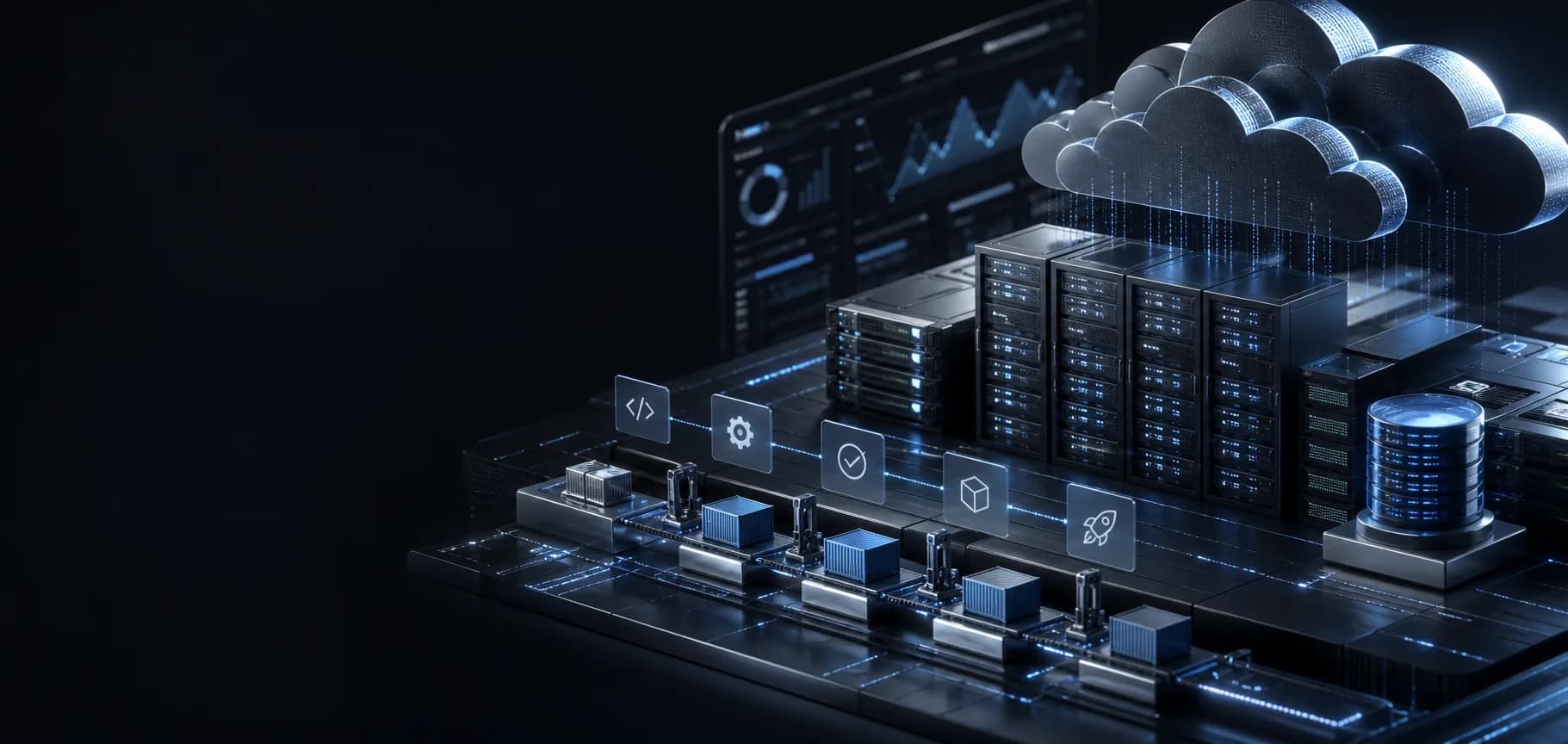
The technology is shown in context: interface, service boundaries, data, integrations, delivery, and quality controls.
Conceptual operating view
Build scope
Incremental modernization programs
Modern web interfaces over legacy services
Service extraction and API layers
Data and platform migration paths
Workflow
Map the current workflow, including where unsupported dependencies create security and staffing risk.
Define the launch boundary around incremental modernization programs and the integrations it depends on.
Deliver system and dependency assessment in reviewable increments with quality and security checks.
Release with operational ownership, documentation, and measures tied to lower modernization risk.
Controls and trust
Operational value
Each outcome is tied to an observable workflow signal so the team can review progress without relying on vague transformation claims.
Lower modernization risk
Tracked through agreed product analytics, operational feedback, and release review signals.
Improved release velocity
Tracked through agreed product analytics, operational feedback, and release review signals.
More supportable technology
Tracked through agreed product analytics, operational feedback, and release review signals.
Continuity for critical operations
Tracked through agreed product analytics, operational feedback, and release review signals.
Delivery roadmap
Map the current workflow, including where unsupported dependencies create security and staffing risk.
Define the launch boundary around incremental modernization programs and the integrations it depends on.
Deliver system and dependency assessment in reviewable increments with quality and security checks.
Release with operational ownership, documentation, and measures tied to lower modernization risk.
Continue exploring
Questions
The first decisions are who owns the workflow, where the authoritative data lives, and how to handle unsupported dependencies create security and staffing risk. We then separate launch-critical work such as incremental modernization programs from later improvements.
It is treated as part of the product scope, with interfaces, acceptance criteria, and operational ownership. That keeps it from becoming an undocumented technical task discovered late in the release.
The exact package depends on risk, but normally includes source and environment documentation, automated checks, release guidance, known constraints, and a prioritized improvement backlog tied to lower modernization risk.
Start with the operating problem
Bring the workflow, constraints, and current system context. We will define a practical legacy application modernization path without inflating the scope.
Discuss the roadmap →